

What to know about emergency tree work for Docklands gardeners
Posted on 20/11/2026
When a tree starts leaning after a storm, a heavy branch drops without warning, or roots begin lifting paving near a busy garden path, you do not want guesswork. You want calm, practical action. That is really what What to know about emergency tree work for Docklands gardeners is about: recognising danger early, making the area safe, and getting the right help before a bad situation becomes a worse one.
In Docklands, gardens often sit close to fences, decking, patios, shared boundaries, and narrow access routes. That means tree problems can affect more than just the tree itself. They can threaten people, neighbours, vehicles, structures, and the general flow of the garden. This guide walks through what emergency tree work usually involves, when it matters, how it works, and what sensible steps to take if you are facing an urgent tree issue. A bit of clarity goes a long way here.
For broader garden support around urgent clean-up and longer-term care, it can also help to look at garden maintenance in Docklands, broader gardening services, and specialist tree surgery support when the job is beyond routine pruning.
Why emergency tree work matters
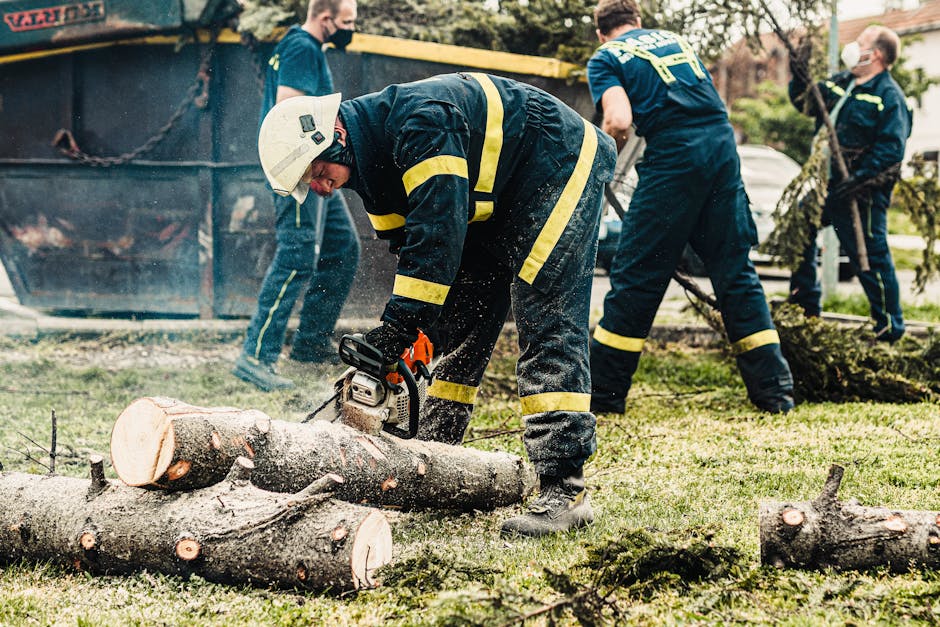
Emergency tree work matters because trees can fail quickly, and when they do, the consequences are rarely tidy. A cracked limb over a garden seating area may look manageable right up until the wind changes. A root plate that has lifted after rain may look stable from one angle and alarming from another. To be fair, gardens often hide these problems better than they should.
Docklands gardens add a few extra complications. Limited access can make it harder to move equipment. Boundary planting may sit close to fences or shared walls. Flat roofs, balconies, sheds, and paved entertainment areas may all be within reach of falling debris. If a branch blocks access or damages a fence line, it can also interrupt everyday use of the whole space. A small tree failure can create a surprisingly big headache.
The urgent part is not always the tree itself. Sometimes it is the knock-on effect: a damaged fence, a splintered deck edge, blocked pathways, or crushed planting beds. That is why a joined-up response matters. If the damage spreads into timber surfaces or hard landscaping, follow-up work may also involve decking services or patio cleaning once the site is safe.
There is another reason this topic matters: speed does not mean recklessness. Emergency work should stabilise risk, not create new risk. A rushed cut in the wrong place can turn a leaning limb into a falling one. That is the line professionals try hard not to cross. Simple enough in theory, not always simple in a wet, windy back garden at 8 a.m. after a rough night.
How emergency tree work works
Emergency tree work usually starts with a rapid assessment. The goal is not to complete every possible tree task at once. It is to find out what is dangerous, what is stable enough to leave alone for the moment, and what needs immediate action. In many cases, the first move is to make the area safe by restricting access and removing obvious hazards.
A typical urgent response may include:
- looking for split trunks, cracked branches, or sudden lean
- checking whether roots have lifted or soil has shifted
- identifying branches in contact with buildings, fences, or wires
- removing hanging limbs that could fall unexpectedly
- clearing debris from paths and access points
- deciding whether the tree needs reduction, dismantling, or full removal
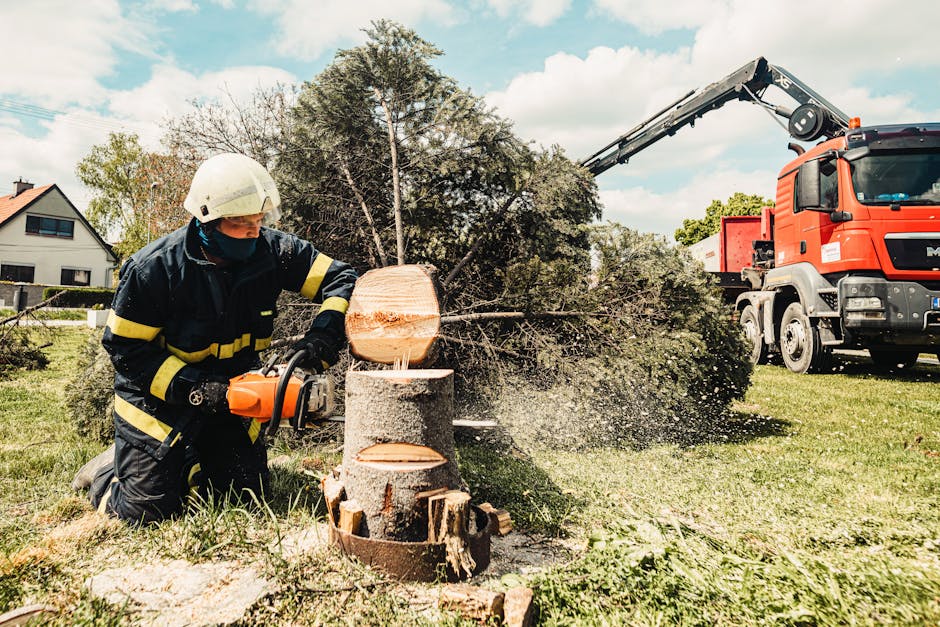
The exact method depends on the tree, the site, and the risk level. A tree that has partially failed may be carefully dismantled in sections. A branch that has only torn partly away may be secured or removed. If the tree is still structurally sound, the work may be limited to stabilisation and targeted pruning rather than full removal. That restraint is a good sign, honestly.
In a garden with a mix of trees, shrubs, and boundary planting, emergency tree work may sit alongside other practical tasks. A broken canopy can leave beds exposed to wind. Nearby hedges may need trimming for access, and overgrown planting can make the site awkward to work around. Useful supporting pages such as hedge trimming in Docklands can be relevant when emergency access is blocked by dense growth.
Good emergency work also includes tidy-up and disposal planning. Fallen timber, branches, and leaf litter need to be removed safely, not left strewn across the garden where someone could trip or where moisture will turn everything into a slippery mess by evening. The aftercare matters almost as much as the initial cut.
Key benefits and practical advantages
The obvious benefit of emergency tree work is safety. But there are several practical advantages too, and these are easy to overlook when everyone is focused on the urgent bit.
- Reduced risk to people and property. Hanging branches and unstable trees are a genuine hazard, especially near paths, seating areas, and entrances.
- Less secondary damage. Prompt action can protect fencing, sheds, paving, decking, and planting beds from further impact.
- Cleaner decision-making. A clear assessment helps you avoid spending on unnecessary work.
- Better garden recovery. Once the immediate problem is handled, the rest of the space is easier to restore.
- Improved access. Clearing debris and unstable growth can make the garden usable again more quickly.
There is also a quieter benefit: peace of mind. When a tree is visibly damaged, people tend to keep glancing at it. Fair enough too. A proper response removes that nagging uncertainty. You know the area has been assessed, the danger has been reduced, and the next steps are clearer.
Another advantage in Docklands is that fast action can protect the layout of the wider garden. If you have carefully designed planting zones, compact lawn areas, or small outdoor living spaces, even one failure can distort the whole feel of the garden. Emergency tree work helps preserve that structure before a temporary issue turns into a full redesign. If wider repair or reworking is needed, landscaping support in Docklands can be useful after the immediate danger is dealt with.
Who this is for and when it makes sense
This kind of work makes sense for any Docklands gardener or homeowner dealing with a tree that seems unsafe, unstable, or unexpectedly damaged. That includes private gardens, communal courtyards, rental properties, and managed outdoor spaces.
It is especially relevant if you notice:
- a tree leaning more than usual after high winds
- large branches hanging loose or split at the union
- cracking sounds from a trunk or major limb
- roots lifting from the soil or pavement
- storm debris lodged in the canopy
- branches interfering with roofs, windows, fencing, or access routes
- a tree that has partially fallen but is still attached
If your garden is already in a period of recovery after neglect or weather damage, the need can be even more urgent. A damaged tree often sits inside a bigger picture of overgrowth, blocked access, tired beds, and storm-stressed planting. That is where wider support, such as initial steps in garden renovation or regular garden maintenance, can help prevent the same problem from building up again.
On the other hand, not every ugly-looking branch is an emergency. Some issues are urgent but not instant-danger situations. For example, a dead limb may be serious enough to schedule quickly, while a lightly storm-damaged branch may be safe to monitor for a short time if it is not moving, cracking, or threatening anything below. The difference is context, and a calm assessment matters more than panic.
Step-by-step guidance
If you are dealing with a suspected tree emergency, the best approach is steady and methodical. Here is a practical sequence that makes sense in most real-world situations.
- Keep people away from the hazard. Do not stand beneath a cracked branch or walk repeatedly under a leaning tree just to "check it again". Limit access straight away.
- Look for immediate danger signs. Hanging limbs, exposed roots, fresh splits, or impact damage near buildings usually mean the situation needs prompt attention.
- Take photos from a safe distance. This helps explain the issue later and gives a record of how the tree looked before any work began.
- Check nearby structures. Look at fences, sheds, decking, patios, and windows for visible damage. If access is blocked, note that too.
- Decide whether the tree needs urgent professional assessment. If the tree is large, close to a structure, or visibly unstable, do not attempt DIY cutting.
- Arrange the work with the right scope. The priority might be branch removal, sectional dismantling, or stabilisation rather than a full tidy-up.
- Plan the aftermath. Once the immediate danger is gone, clear debris, inspect the area again, and think about replacement planting or recovery work if needed.
If the emergency has affected surrounding planting, it may also be a good moment to think about resilience. Wind exposure, poor pruning history, and overcrowding can all make failures more likely. A future-focused garden plan might include better spacing, smarter plant choices, and wind-aware design. There is a useful discussion of this in wind-friendly garden techniques, which pairs neatly with emergency recovery thinking.
One small but important point: do not let the site sit half-processed for days. In damp Docklands weather, cut surfaces and debris can become slippery fast. A garden that looked manageable at noon can feel messy and awkward by dusk. Truth be told, nobody wants to tiptoe around a half-cleared branch pile for a week.
Expert tips for better results
Good emergency tree work is part judgement, part technique, part restraint. The best results often come from what is not done. A few practical tips make a real difference.
1. Prioritise the weakest point first. If a branch has split, do not treat the whole canopy as the same problem. Understand where the failure started. That is usually where the real risk sits.
2. Think about the landing zone. A branch may be loose, but if it is hanging over a shed, patio, or play area, its removal should be carefully planned. Falling timber behaves differently than people expect.
3. Avoid cosmetic overcutting. Emergency work is not the time to over-shape a tree. Keep the job focused on safety, then return later for proper pruning if needed.
4. Watch the weather window. Even a light breeze can make a marginal branch shift. Rain can make access slippery. If the conditions are poor, a careful delay is sometimes wiser than forcing the issue.
5. Keep communication simple. If several people are involved, agree on what the immediate hazard is and what the goal of the visit should be. Misunderstandings waste time and can make a stressful morning worse.
6. Consider the rest of the garden. If a tree failure has left the garden open, exposed, or uneven, you may need follow-up work on soil, borders, or planting. Sometimes a well-placed groundcover can help re-stabilise an area visually while the larger structure recovers; see ground cover planting ideas for a simple supporting approach.
Another practical tip: do not ignore trees that "only" look tired. A tree can hold on for ages and then fail after one bad night. It is a bit annoying how trees can appear dignified right up until they are not. That is why early inspection matters.
Common mistakes to avoid
A lot of emergency tree trouble comes from rushed assumptions. People understandably want fast fixes, but that can lead to avoidable problems.
- Cutting without checking the whole structure. Removing one obvious limb can transfer stress elsewhere.
- Standing too close. A cracked branch does not owe you a warning before it falls.
- Trying to save every part of the tree. Sometimes the safest answer is partial removal or full removal, not heroics.
- Leaving debris in walkways. It creates trip hazards and slows down recovery.
- Ignoring hidden damage. A branch may look fine while the trunk base has shifted.
- Forgetting neighbouring features. Fences, patios, and decking can be damaged during or after a failure if they are not considered from the start.
One mistake we see a lot in garden settings is treating tree work as isolated from the rest of the space. In reality, it is all connected. If overgrowth blocked the work area in the first place, the solution may involve wider clearance or follow-up garden care. Sometimes the best next step is simply bringing the whole space back under control, not just the tree itself.
There is also a mental mistake: assuming the most dramatic-looking issue is the most dangerous. Not always. A small crack at the base or a subtle root lift can be more concerning than a leafy branch with surface damage. That is why site awareness beats panic every time.
Tools, resources and recommendations
Emergency tree work depends on the situation, but a few tools and resources are commonly useful in a practical, real-world sense.
| Tool or resource | Why it helps | Best used for |
|---|---|---|
| Gloves and sturdy footwear | Improve grip and reduce minor injury risk | Basic site checking and debris handling |
| Barrier tape or temporary markers | Helps keep people away from danger zones | Shared gardens, entrances, and pathways |
| Camera or phone camera | Creates a visual record before work begins | Assessment and communication |
| Hand tools | Useful for light clearance only | Small twigs, loose debris, tidy-up tasks |
| Professional tree assessment | Confirms the safest approach | Large trees, structural damage, unstable lean |
| Follow-up garden care | Restores the site after the emergency is handled | Replanting, soil repair, general recovery |
For longer-term resilience, it can be useful to think beyond the tree itself. Healthy gardens tend to handle stress better. Regular mowing, pruning, lawn care, and seasonal maintenance help you spot issues earlier, which is half the battle. Useful supporting pages include lawn mowing in Docklands and lawn care support if the emergency has left the garden looking rough around the edges.
Some gardens also need a hard-surface reset after a tree incident. If falling debris has left muddy streaks, bark fragments, or sap marks on paving, patio cleaning services may help bring the area back to normal. Small thing, but it makes the whole garden feel usable again.
Law, compliance, standards, or best practice
With emergency tree work, the safest approach is to follow sensible UK best practice rather than improvising. That usually means using competent people for hazardous work, taking care around boundaries and neighbours, and checking whether the tree is protected in any way before major work begins. If a tree is subject to legal protection or sits within a conservation context, cutting it back without checking first can create avoidable problems.
There is also a general duty of care to think about safety. If a tree is clearly unstable and presents a foreseeable risk, the sensible route is to address it promptly. In shared or managed spaces, communication matters too. Neighbours may need to know when access will be blocked or when debris will be moved.
Best practice also means not confusing emergency action with cosmetic tidying. A proper urgent response is about hazard reduction, not just making things look neat for a photo. If a tree needs sectional dismantling, that is a controlled technical job. If it only needs pruning, there is no sense in making a bigger job of it than necessary. Matching the method to the risk is the whole point.
In Docklands, where properties often sit close together, it is worth being especially careful about falling material, access routes, and the effect on neighbouring gardens. A professional approach will take all of that into account before a saw starts moving. Sensible, really.
Options, methods, or comparison table
Not every tree problem needs the same kind of response. Here is a practical comparison of the most common approaches.
| Method | Best for | What it does | Main caution |
|---|---|---|---|
| Targeted branch removal | One or two damaged limbs | Removes immediate hazards | Can miss hidden structural stress if the tree is not assessed properly |
| Selective pruning | Storm damage with a stable tree | Reduces weight and tidies damaged growth | Should not be overdone in an emergency |
| Sectional dismantling | Large unstable trees near structures | Removes the tree in controlled parts | Needs careful planning and access |
| Full removal | Severe structural failure or high risk | Eliminates the hazard entirely | May need follow-up replanting or landscape repair |
| Monitoring | Minor, non-urgent damage | Tracks whether the issue worsens | Only suitable if the tree is genuinely stable |
For many Docklands gardens, the right answer sits somewhere between pruning and dismantling. It is rarely dramatic in the way people imagine. Often it is a measured decision based on angle, weight, access, and what the tree is actually doing. A careful eye beats a quick assumption every time.
Case study or real-world example
A typical Docklands scenario goes like this. After a windy night, a homeowner notices that one side of a mature garden tree has split and is now leaning over a small patio area. The tree is close to a fence, there is a deck nearby, and the garden path passes directly under the edge of the canopy. At first glance, it looks as if only one branch is involved. But on closer inspection, the split reaches deeper into the structure than expected.
The immediate response is to keep people away from the patio and stop using the path under the canopy. Photos are taken from a safe distance. The assessment shows that the most urgent risk is the cracked section, not the whole tree. The safest course is to remove the damaged limb in a controlled way, then check the remaining structure for additional weakness. Once the tree is stabilised, the area gets a tidy-up, the fence line is inspected, and the patio is cleared of debris.
What made the difference? Not panic. Not a heroic DIY attempt. Just a practical sequence: secure the area, assess calmly, act on the real hazard, and then deal with the knock-on mess. That is emergency tree work at its best. You solve the problem in front of you without creating three more.
In a garden like that, follow-up work might include landscaping improvements to repair the layout, and perhaps a few structural choices to reduce future storm stress. A stronger planting plan and better garden maintenance would also help the space recover more gracefully. That part matters more than people think.
Practical checklist
Use this checklist if you think you have an urgent tree issue in Docklands.
- Keep people, pets, and visitors away from the affected area.
- Look for fresh cracks, sudden lean, lifted roots, or hanging limbs.
- Check whether the tree is touching fences, decking, patios, sheds, or windows.
- Take safe photos for reference.
- Do not cut unstable branches yourself.
- Clear only what is obviously safe to remove from the ground.
- Arrange professional help for large, unstable, or poorly accessible trees.
- Plan for tidy-up and debris removal after the dangerous part is dealt with.
- Inspect nearby garden features for hidden damage.
- Think about preventive maintenance once the immediate issue is resolved.
If you want the whole garden to feel orderly again after the urgent work, it can help to revisit regular care and even small design choices. Some gardens bounce back quickly with the right follow-up; others need a bit more patience. Either way, that is normal. No drama required.
Conclusion
Emergency tree work is never just about cutting wood. It is about protecting people, preserving property, and making sensible decisions under pressure. For Docklands gardeners, the compact layout of many outdoor spaces means a tree problem can spread its impact fast, especially when fences, patios, decking, and access points sit close together.
The good news is that a calm, structured response solves most urgent situations better than a rushed one. Spot the hazard, secure the area, assess the real risk, and choose the least invasive method that keeps everyone safe. After that, bring the garden back to life with proper tidy-up, maintenance, and, where needed, longer-term recovery work. A little patience here pays off.
Get a free quote today and see how much you can save.
And if you are staring out at a wind-battered tree while the kettle boils inside, take a breath. The situation can usually be handled, and handled well. Gardens recover. They really do.

Steve's professional expertise in gardening, accumulated over many years, enables him to provide a wide range of landscaping and gardening services. Furthermore, his writing skills are evident, particularly in Eco-friendly gardening discussions.