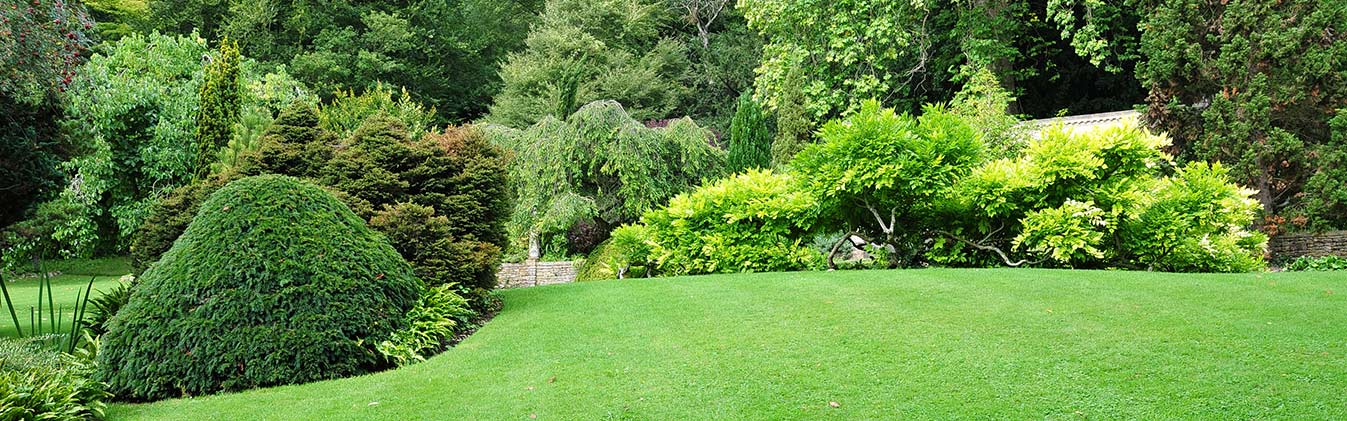


Gardeners Docklands: gardening services in Docklands for tidy, workable outdoor spaces
Gardeners Docklands provides gardening services in Docklands for homes, communal areas and business outdoor spaces that need steady, practical care. Our work covers routine maintenance, lawn care, hedge trimming, landscaping support and related garden tasks, with each job shaped around the site conditions rather than a one-size-fits-all approach. If you need a garden kept neat through the season, or a larger refresh to bring structure back into place, we can help you decide what is most useful.
Outdoor areas in Docklands often need a balance of control and restraint. Beds, borders, paths, fences and planting can all affect how a space looks and how easy it is to keep in order. We focus on the main gardening tasks that make the biggest difference first, then build from there with sensible follow-on work where it is needed. That can mean regular maintenance, targeted cutting back, planting adjustments or a broader tidy-up before a more considered redesign.
To begin, request a quotation when you are ready to share the scope of the work. A brief description of the garden, the key areas you want addressed and any preferred timing will help us suggest the most suitable service. If you already know the job is more than simple upkeep, it is often useful to compare maintenance, lawn care and landscaping options together before you decide.
Garden maintenance and seasonal care
Regular garden maintenance keeps growth in check and prevents small issues from becoming awkward ones. We can manage ongoing cutting back, clearing, weeding and general tidying so paths, beds and borders remain usable and presentable. Where a garden has become uneven or partially neglected, the first stage is often to remove the buildup of stray growth and re-establish clear lines before any finer work is attempted.
Seasonal changes matter as much as appearance. New growth, heavy rain, wind and colder weather all alter what a garden needs, and a sensible maintenance plan responds to those shifts rather than treating every visit the same. In practice, that may mean trimming soft growth, lifting fallen debris, refreshing beds, or reducing dense areas that are starting to suppress nearby planting. If you want the work tailored to a particular season, say so when you ask for details.
Useful areas we often cover include:
- routine tidying of beds, borders and paths
- weed control in visible and hard-to-reach areas
- cutting back overgrowth to restore access
- light reworking of neglected sections before deeper improvements
Lawn care that supports healthier growth
A lawn benefits from more than simple cutting. Good lawn care also considers length, edging, surface condition, patches, shading and the pressure created by regular foot traffic. If a lawn has become thin, uneven or cluttered with unwanted growth, the aim is to improve its presentation while also making future upkeep easier. That might involve mowing, edging, clearing debris or preparing the surface for more attentive treatment later.
Different lawns call for different levels of intervention. Some need a light tidy and regular trimming, while others need a more careful reset because the grass has become patchy or the edges have softened into surrounding borders. We also look at the practical side of lawn maintenance, such as access, obstacles and whether the area should be treated as a focal point or simply kept neat as part of the wider garden. This is the stage where a concise plan usually saves time later.
What influences lawn work
Several factors shape the right lawn care approach: how established the grass is, whether the ground is level, how much shade it gets and whether there are tight corners near fences or planting. A narrow side strip may need a different rhythm from an open communal lawn, and a garden used frequently may need edging and definition as much as cutting. If the lawn is part of a larger makeover, we can align it with other landscaping services in Docklands so the whole space reads more clearly.
Hedge trimming, shaping and boundary care
Hedge trimming keeps boundaries neat, supports a cleaner finish along edges and helps stop shrubs from crowding paths, drives or planting beds. The work can be simple height reduction, careful shaping or regular maintenance to stop hedges from becoming too dense. A tidy hedge often has a strong effect on the whole garden because it clarifies lines and makes the space feel more controlled without removing the character of the planting.
Some hedges need more than a cosmetic trim. If growth has become bulky or uneven, the work may need to be phased so the hedge stays healthy while the shape is improved gradually. Around entrances and shared spaces, clear edges and sensible proportions matter because they affect sight lines and access as well as appearance. We can also combine hedge work with other maintenance where it makes sense, which is often more efficient than tackling each element separately.
For gardens where privacy is part of the brief, hedge care is often linked to longer-term boundary thinking. In those cases, it may be useful to look at fencing in Docklands alongside planting and trimming choices, especially if the aim is to create a more enclosed or orderly feel. Good boundaries are not only about height; they are about proportion, clarity and the way the edge sits within the whole garden.
Landscaping, reorganisation and practical improvements
Landscaping work can turn a confused outdoor area into a clearer, more usable space by improving layout, structure and the relationship between planted and hard surfaces. It may involve reshaping parts of the garden, rethinking beds and borders, or introducing more defined areas for sitting, moving through or simply maintaining with less effort. The purpose is not always a dramatic transformation; sometimes the most valuable result is a cleaner, more coherent layout that is easier to live with.
When planning changes, it helps to focus on the parts of the garden that create the most friction. Narrow routes, awkward corners, tired planting and poorly defined edges all affect the overall impression. By dealing with those elements in a sensible order, the space can move from cluttered to coordinated without unnecessary disruption. If you want a more structured outdoor area, start by identifying which features should stay, which should be simplified and which should be replaced or refreshed.
For customers thinking beyond routine upkeep, the pricing and quotes page offers a useful starting point for understanding how different kinds of work are usually discussed. Before asking for a price, it helps to note whether you want maintenance, hedge cutting, lawn care or a broader redesign, because the shape of the job matters as much as its size. Clear scope leads to a clearer quotation.
Garden beds, planting choices and low-maintenance decisions
Planting has a major effect on how demanding a garden feels over time. Some customers want fresh colour and seasonal variety, while others prefer a simpler scheme that does not require frequent intervention. We can help with planting adjustments and garden beds in a way that keeps the overall maintenance burden realistic. That may mean replacing tired sections, simplifying busy borders or choosing planting that better suits the amount of care available.
Low-maintenance does not have to mean plain. It can mean choosing plants that work with the space, reducing unnecessary complexity and arranging the garden so the strongest features are more visible. Beds and borders can be refreshed in stages, which is often more manageable than trying to rework everything at once. In a dockside setting, where many gardens have compact footprints or mixed surfaces, this kind of measured planting approach can make a noticeable difference.
If you are considering broader improvements, it can help to compare garden care with a more structured service such as gardening services in Docklands. That gives you room to decide whether the priority is regular upkeep, selective planting work or a more comprehensive update. A useful quotation starts with the right brief, not with the widest possible list.
About Docklands
Docklands is a part of London shaped by water, trade and reinvention. Its modern character is closely tied to the former docks that once dominated the area, especially the West India Docks and later developments around the Isle of Dogs and Canary Wharf. The landscape includes a mix of canals, basins, waterfront paths, residential towers and converted industrial sites, all of which reflect the area’s layered history. Although much of the old dock infrastructure has been transformed, the relationship with the river and the waterways remains central to how Docklands feels today. Paths along the Thames, sheltered waterside edges and open public spaces create a distinctive urban setting that differs from older, denser parts of inner London. The area is also known for contrasts: glass-and-steel commercial buildings sit near quieter residential streets, while remnants of earlier port activity survive in docks, bridges and named streets that recall maritime use. Cultural life is shaped by the wider East London context, with nearby museums, public art, transport links and working neighbourhoods adding to the sense that Docklands is both practical and evolving. The architecture is varied rather than uniform, ranging from warehouse conversions and apartment blocks to major business landmarks, and this variety gives the area a strong visual rhythm. For many people, the appeal lies in that blend of water, height, movement and history, where the old port landscape and the modern city continue to occupy the same frame.
Planning work around access and scope
When a garden job is being quoted, the most helpful information is usually simple and concrete. A few details about the space, the main tasks and anything that is difficult to access can make it easier to suggest the right level of work. If there are areas you want to keep untouched, or if some sections need priority over others, it is worth stating that clearly at the outset. That avoids unnecessary assumptions and helps keep the plan focused.
Photographs and a brief note about the condition of the garden can also make early discussions more efficient, particularly where growth is uneven or the layout is not straightforward. For larger or more involved projects, it is sensible to separate urgent maintenance from longer-term improvements so the immediate work is handled properly before any redesign is considered. That way, the quotation reflects what is actually needed rather than a vague wish list. Share the essentials first, then build from there if required.
For the practical side of arranging work, the contact page is the right place to request a quotation or make an initial enquiry. If you would rather compare services first, you can review the specific pages for maintenance, lawns, hedges and landscaping, then decide which mix fits your garden best. Request your quotation when ready.
Garden tidy-ups, clearance and bringing neglected areas back under control
Some gardens need a straightforward tidy-up before anything else can happen. Stray growth, fallen material, untidy edges and tired planting can obscure the structure of the space and make later work harder to judge. A careful clearance restores visibility, which is useful whether the next step is regular maintenance, a planting refresh or a broader redesign. The aim is not to strip a garden bare, but to bring it back to a manageable state.
Neglected areas often contain several problems at once: dense weeds, matted growth, dead material and features that have lost their outline. Dealing with these in the right order matters. Clearing access, identifying what is worth keeping and then shaping the remaining space usually produces better results than trying to cut everything down immediately. This stage is often the point where the garden starts to feel workable again, because the underlying shape becomes visible.
If the area is especially cluttered, it can be helpful to think about it in terms of sections rather than the whole garden at once. That gives a clearer idea of labour, timing and follow-on tasks. Once the main structure is visible, the next step may be lawn treatment, hedge work or planting adjustments, depending on what needs to be restored and what should be simplified.
Finishing touches that improve day-to-day use
The best garden improvements are often the ones that make daily upkeep easier as well as making the space look better. Clean edges, sensible planting density, clear routes and appropriately sized hedges all reduce the amount of friction in a garden. Small refinements can therefore have a surprisingly large effect, especially where space is limited or the garden is used regularly for sitting out, access or shared movement.
Not every improvement needs to be dramatic. A border can be reshaped, a walkway cleared, a lawn simplified or a hedge reduced to a more manageable line without changing the character of the garden. That is often the most practical route for customers who want a smarter result without unnecessary upheaval. The right sequence of work depends on what is already there, what should remain and how much maintenance you want to take on afterwards.
When you are ready to move forward, keep the brief concise and specific so the quotation reflects the real work rather than guesswork. Whether the job is routine care, a tidy-up, or a more involved piece of garden improvement, the next step is simple: ask for a quotation and let us know what you want the space to do.