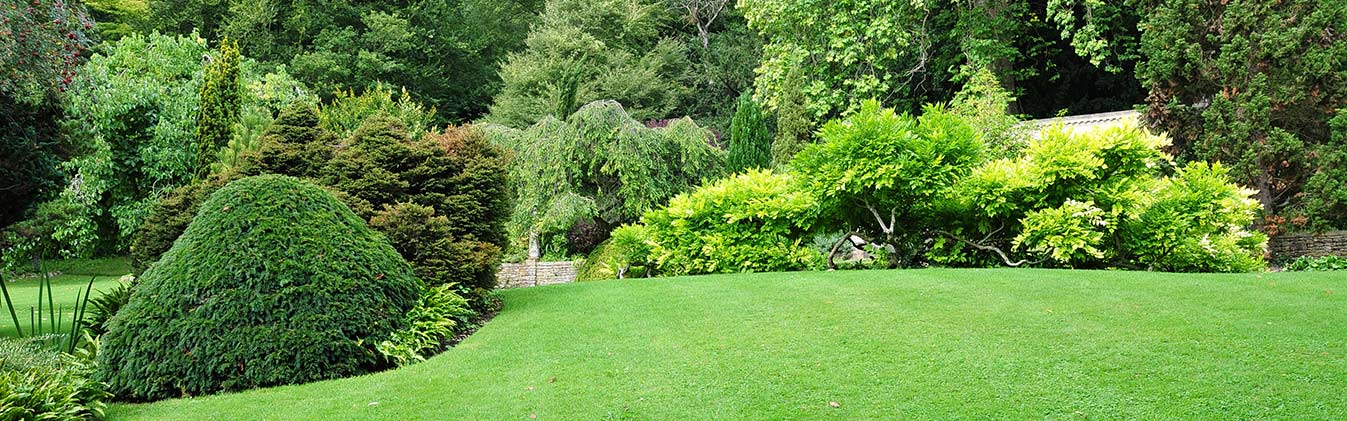


Isle of Dogs front garden ideas with local gardeners
Posted on 19/10/2026

If you live in the Isle of Dogs, your front garden has to do a lot of work in a small space. It should look welcoming, stay manageable through wet winters and busy weeks, and still feel personal rather than just neat. That is where Isle of Dogs front garden ideas with local gardeners really start to make sense. A good local gardener can help you shape a space that suits the street, the light, the soil, and your own routine, without turning the whole thing into a maintenance chore by Thursday morning.
In this guide, you will find practical front garden ideas, local design considerations, and sensible ways to work with gardeners who understand London conditions. We will cover layout, planting, privacy, low-maintenance choices, kerb appeal, and the kinds of details that make the difference between "fine" and "actually lovely".
Why Isle of Dogs front garden ideas with local gardeners Matters
Front gardens in the Isle of Dogs tend to face a familiar London set of pressures: limited space, shade from buildings, wind exposure, patchy soil, parked cars, busy pavements, and a strong need for visual order. Add in the fact that many homeowners want privacy without making the frontage feel boxed in, and the brief becomes more nuanced than it first appears.
That is why working with local gardeners is so useful. They are more likely to understand what actually survives in your street conditions, what looks good all year, and what can be maintained without eating up your weekends. A front garden is not just decoration. It is the first thing you see when you come home. It can soften hard brick, create a better entrance, and quietly lift the whole property.
There is also a practical side. A front garden that is overgrown, awkwardly arranged, or difficult to access can become a little constant stress point. We have all seen it: one neglected strip turns into a tangle of weeds, slimy paving, and a hedge that seems to grow two inches overnight. Not ideal. A well-planned space avoids that cycle from the start.
If you are thinking bigger than a quick tidy-up, local support from experienced landscaping specialists can help turn a rough frontage into a coherent design rather than a pile of separate jobs.
How Isle of Dogs front garden ideas with local gardeners Works
The process usually begins with the space itself. A local gardener will look at how the front garden behaves across the day: where the sun lands, where water sits after rain, how much shelter the frontage gets, and what kind of use the area needs to support. That might sound obvious, but in a London setting those small details matter a lot.
From there, the design usually develops around four decisions:
- Structure - paths, edging, borders, boundaries, steps, or a small seating area.
- Planting - shrubs, evergreens, perennials, climbers, lawn alternatives, or containers.
- Maintenance level - low, medium, or hands-on.
- Style - modern, naturalistic, formal, compact cottage feel, or tidy urban minimalism.
Local gardeners then match those choices to real-world maintenance. For example, if you want a front garden that stays neat with minimal effort, they may steer you towards evergreen structure, ground cover, and crisp edging rather than a lawn that needs constant attention. If you want softness and seasonal interest, they may suggest a mix of textures instead. There is rarely one "right" answer. There is only what fits your home and habits.
To be fair, that is the real value here: not just picking pretty plants, but making sure the garden works in February as well as in June.
You may also find that a gardener recommends focused services rather than one large overhaul. For instance, regular garden maintenance in Docklands can keep the frontage looking sharp once the main design is in place.
Key Benefits and Practical Advantages
Good front garden design does more than improve the view from the pavement. It has a ripple effect across daily life, and a local gardener helps those benefits land properly.
- Better kerb appeal: A tidy, balanced frontage creates a stronger first impression without looking overly staged.
- Less long-term hassle: The right planting scheme reduces weeding, pruning, and patch repairs.
- More privacy: Carefully placed hedges, climbers, or fencing can soften sightlines without making the space feel closed in.
- Improved drainage and durability: Smart surfacing and planting choices help the garden cope with rain and foot traffic.
- Better use of a small area: Even a narrow strip can become useful if the layout is planned properly.
- Stronger property presentation: A thoughtful frontage often makes the whole home feel more cared for, which matters to residents and visitors alike.
There is also a psychological benefit, which people underestimate. A good front garden creates a small moment of calm before and after the day. You come home, see something green, maybe hear a bit of rustle in the hedge, and the whole entrance feels softer. It sounds simple. It is simple. But it works.
If you are choosing between several improvement paths, the best result is often the one that balances beauty and upkeep. A lush but high-maintenance idea can become a burden quickly. A more restrained design, handled well, usually lasts longer and looks more polished. That is the boring truth, and it is often the best truth.
Who This Is For and When It Makes Sense
This kind of project suits a wide range of homeowners and landlords in the Isle of Dogs, especially where front gardens are compact, exposed, or visually prominent from the street.
- Busy households who want the front of the home to look tidy without constant weekend work.
- New homeowners who want to improve kerb appeal early and make the property feel settled.
- Landlords and hosts who need the frontage to stay presentable and durable between tenancies or bookings.
- Families who want a safer, more welcoming entrance with less clutter and better boundaries.
- Design-led owners who care about style but do not want a garden that only works in glossy summer weather.
It also makes sense if the garden has become awkward rather than simply unattractive. Maybe the hedging is too tall, the lawn is patchy, the beds are thin, or the front path feels like it belongs to a different house. In those cases, a well-planned refresh can be far more effective than a series of small reactive fixes.
If the space needs a reset, a gardener may suggest starting with pruning, weed control, edging, and structure before adding anything new. That approach feels less exciting at first, but it saves headaches later. A garden renovation that starts with tidying the bones usually ends up looking cleaner and stronger. For a deeper reset, these first steps in garden renovation can be a useful mindset shift.
Step-by-Step Guidance
If you are planning an Isle of Dogs front garden update, the process is easier when broken into clear stages.
- Assess the space honestly. Look at sun, shade, wind, drainage, access, and how the garden connects to the house and pavement.
- Decide the job of the garden. Is it mainly for presentation, privacy, storage screening, wildlife, or a bit of everything?
- Choose a maintenance level. Be realistic. If you are away often or dislike pruning, say so. That matters more than a mood board.
- Set the structure first. Paths, borders, boundaries, edging, and any hard landscaping should come before detailed planting.
- Pick plants that suit the site. In London front gardens, hardy, repeat-performing species often beat delicate choices that need constant coddling.
- Plan for all seasons. A front garden should still look acceptable in winter, not collapse into a soggy afterthought.
- Install, then maintain. Once the layout is done, keep up with pruning, feeding, watering, and weed control so the design does not drift.
For a simple example, imagine a narrow frontage with a small lawn, one overgrown shrub, and a muddy edge by the path. The first move is not to add more plants. The first move is to simplify. Replace the patchy lawn with ground cover or a cleaner border, sharpen the edges, reduce clutter, and keep a single strong feature such as an evergreen shrub or a compact hedge. It sounds modest, but modest often wins.
Local help matters during implementation too. If you need the whole frontage shaped into something coherent, professional gardening services in Docklands can cover the design, planting, and practical upkeep as one joined-up job.
Expert Tips for Better Results
Here are the kinds of tips that tend to make a noticeable difference, especially in the Isle of Dogs where front gardens can be exposed and space is precious.
- Keep the palette tight. Three or four repeating plant types usually look more elegant than a dozen competing ones.
- Use height with care. Vertical structure is useful, but too much can block light and make a small frontage feel heavy.
- Choose evergreen backbone plants. They hold the garden together through winter, when many flower-led designs start to look sparse.
- Let edging do some of the work. Clean borders and tidy lines can make a garden look twice as intentional.
- Use containers for flexibility. Pots are handy if the ground is poor, access is tight, or you like seasonal change without committing to permanent planting.
- Think about weather resistance. Wind, rain, and winter cold can be harsh on exposed front gardens, so choose planting and materials accordingly.
A small aside: if you have ever planted something beautiful only to watch it sulk in the first cold snap, you are not alone. Front gardens can be a bit rude about that. They look charming in May and then test you by November. Choosing hardier plants is not less stylish. It is just more practical.
For homes with shady corners or blank walls, climbing planting can add life without taking up ground space. A good starting point is evergreen climbers for dim corners, which can be especially helpful near entrances or boundary walls.
And if privacy is part of the brief, do not jump straight to a tall fence. A layered approach - hedge, planting, and maybe a subtle screen - often feels calmer and less rigid. If you want practical ideas, fast-growing hedges for privacy can be a sensible place to start thinking.
Common Mistakes to Avoid
Front gardens are small enough that mistakes show quickly. The good news is that most of them are avoidable once you know what to look for.
- Overplanting. Too many plants make maintenance harder and the space look crowded.
- Ignoring maintenance access. If you cannot comfortably reach the back of a border, it will probably become a weed trap.
- Choosing plants for a catalogue photo. Lovely in theory, but if the site is windy and shaded, the result may disappoint.
- Letting the path become an afterthought. Front access matters. It should feel clear, safe, and easy to walk.
- Using high-maintenance features by accident. A formal box edge, thirsty plants, or tricky gravel can all add work you never asked for.
- Forgetting winter interest. Once the flowers fade, structure and evergreen form carry the whole look.
One of the biggest mistakes is designing for the house you wish you had rather than the one you actually live in. If you have five spare minutes most mornings, pick a system that respects that reality. No shame in that at all.
We also see gardens go wrong when owners spread the budget too thinly. A decent pathway and strong planting plan usually beat a dozen little "nice to have" extras. Better one or two good moves than five half-finished ones.
Tools, Resources and Recommendations
You do not need a van full of specialist kit to improve a front garden, but the right tools make a big difference. A local gardener will usually bring the heavier equipment, but homeowners can still keep a practical set for day-to-day care.
- Bypass secateurs for clean pruning of stems and small branches.
- Shears for edging and light shaping.
- Spade and hand fork for bed preparation and weeding.
- Hose or watering can for establishing new planting.
- Mulch to reduce evaporation and suppress weeds.
- Compost to improve tired soil and support healthier growth.
If your frontage has a lawn, ongoing care may be worth separating from the rest of the garden plan. A neat lawn can anchor the whole design, but only if it is realistic to maintain. That is where local lawn care can help, especially if the grass is patchy, compacted, or regularly overtaken by weeds.
For very compact spaces, container gardening is often a better use of time and money than trying to force a mini lawn or oversized border into place. Containers let you shift the design with the seasons, and they work well near entrances or steps. If that sounds like your situation, container gardening basics are worth a look.
You may also want to think about how the front garden behaves in bad weather. In London, there is no point pretending weather is a side issue. It is part of the design. weather-proofing garden ideas can help frame those decisions before you plant.
Law, Compliance, Standards, or Best Practice
Front garden work in the Isle of Dogs usually does not require anything dramatic, but there are still practical standards and sensible precautions to follow.
If you are altering access, replacing surfaces, or changing how water drains, it is wise to think carefully before starting. In London, surface water and drainage deserve respect. A front garden that sheds water badly can become muddy, unsafe, or annoying for neighbours and passers-by. You do not need a lecture on civil engineering, just a bit of common sense and a gardener who knows when to keep permeability in mind.
Best practice also means checking shared boundaries before making changes to fences, hedges, walls, or trees that may affect neighbouring property. If a tree is large, leaning, or close to structures, it is safer to have a trained eye assess it rather than guessing. That is especially true where roots, overhanging branches, or access constraints are involved.
For hedge work, regular upkeep is often better than occasional heavy cutting. Neat, light trimming tends to preserve shape and reduce stress on the plant. If you want that maintained properly, hedge trimming in Docklands is the sort of service that keeps things tidy without overdoing it.
And if trees are part of the frontage, especially mature ones, use caution. Structural pruning or removal should be handled professionally. tree surgery services are relevant when the work goes beyond simple pruning.
Options, Methods, and Comparison Table
When planning a front garden, the big decision is not only what it should look like. It is how you want it to behave day to day. The table below compares a few common approaches.
| Approach | Best for | Maintenance level | What it gives you | Possible downside |
|---|---|---|---|---|
| Compact lawn with borders | Traditional appearance and soft feel | Medium to high | Neat, familiar, green frontage | Needs mowing, edging, and feeding |
| Evergreen planting with gravel or paving | Low-maintenance presentation | Low to medium | Structure through winter, cleaner look | Needs good design to avoid looking bare |
| Mixed shrubs and ground cover | Balanced style and seasonal interest | Medium | Colour, texture, and decent coverage | Initial planning matters a lot |
| Containers and planters | Very small spaces or poor soil | Low to medium | Flexibility and easy refreshes | Needs watering more often |
| Boundary-led design with hedge or fence | Privacy and structure | Medium | Defined edges and improved screening | Can feel heavy if overdone |
For a lot of Isle of Dogs homes, the sweet spot is a mix: structured boundaries, a few evergreen anchors, some seasonal planting, and maybe a container or two near the door. That combination stays useful even when the weather is doing its usual London thing.
Case Study or Real-World Example
Here is a realistic example based on a common kind of frontage in the area. A homeowner had a narrow front garden with tired paving, a small patch of failing lawn, one hedge growing too wide, and a bed that had become mostly weeds. It looked busy, but not in a good way.
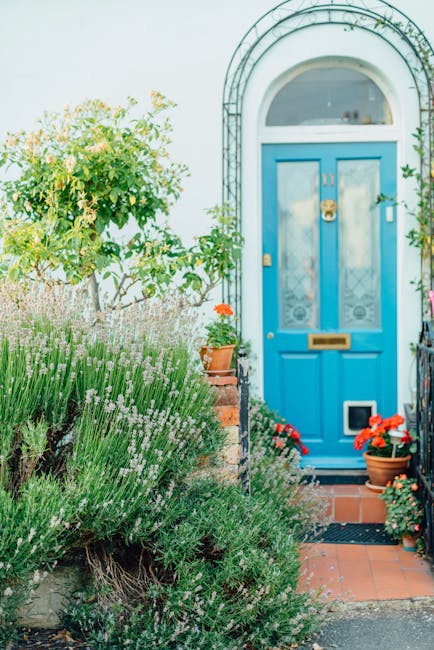
The first pass was practical rather than decorative. The hedge was reduced and reshaped, the weeds were cleared, the path was cleaned, and the borders were redefined. Next came a simple structure: a compact planting scheme using evergreens for year-round form, a couple of hardy perennials for seasonal colour, and a pair of containers near the entrance to soften the doorway.
The result was not dramatic in the flashy sense. It was better than that. The frontage started to look intentional. Cleaner lines. Easier upkeep. More welcome, less fuss. And because the design was built around the space rather than imposed on it, it stayed manageable.
That is often the difference between a front garden that looks good for six weeks and one that works for years. One is a quick makeover. The other is a system.
For projects that begin in a neglected state, it can help to approach the job in stages rather than expecting instant perfection. If the ground is tired or overrun, early renovation steps can help you reset the space properly.
Practical Checklist
Use this checklist before you brief a gardener or start work yourself.
- Have I measured the front garden and noted awkward spots?
- Do I know how much sun, shade, wind, and rain the space gets?
- Have I decided whether the priority is privacy, style, low maintenance, or all three?
- Have I chosen a realistic maintenance level for my routine?
- Are existing hedges, trees, or shrubs worth keeping?
- Do I need better edging, better drainage, or cleaner access first?
- Have I thought about winter appearance as well as summer colour?
- Do I want containers, borders, or a more structural design?
- Have I checked whether any fence, hedge, or tree work affects neighbours?
- Do I have a plan for regular upkeep after the main work is finished?
Expert summary: The best Isle of Dogs front gardens are usually not the most complicated ones. They are the ones that fit the site, respect the weather, and stay easy to keep looking good. Simple, but not plain. Polished, but not precious.
Get a free quote today and see how much you can save.
Conclusion
Front gardens in the Isle of Dogs do not need to be large to be effective. They need to be thoughtful. With the right local gardeners, even a compact frontage can become smarter, calmer, and far easier to live with. The trick is to design for your real life, not for a fantasy version of your weekends.
If you focus on structure first, choose hardy planting, plan for maintenance, and keep the look coherent, you will end up with a front garden that feels welcoming all year. Not perfect. Just genuinely good, which is better anyway. And if you have been staring at the same tired strip outside your home for too long, there is something quietly satisfying about finally sorting it out.
A good front garden greets you before you even reach the door. That kind of welcome never really gets old.

Steve's professional expertise in gardening, accumulated over many years, enables him to provide a wide range of landscaping and gardening services. Furthermore, his writing skills are evident, particularly in Eco-friendly gardening discussions.